Views: 0 Author: Site Editor Publish Time: 2025-10-16 Origin: Site


The Color Conundrum: Does Solder Mask Color Affect PCB Performance?
Subtle Shades: The "Barometer" of the Manufacturing Process
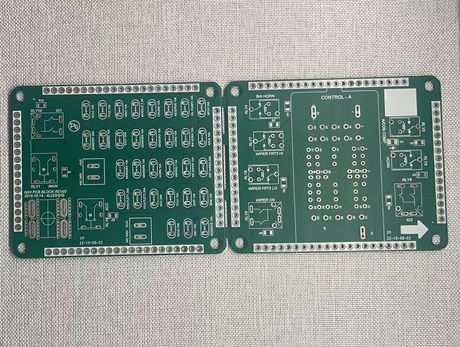
Even within the same color, like green, there are various shades—matte green, sun green, dark green, light green, etc. These subtle differences present unique manufacturing challenges:
·Color Too Light: After processes like via plugging, the board's appearance might be less appealing, potentially revealing underlying material traces and affecting the visual quality.
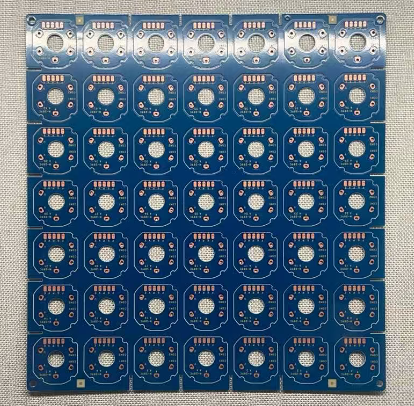
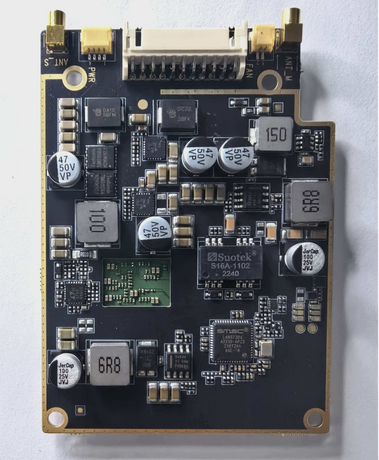
·Color Too Dark: This places high demands on ink quality. If the PCB manufacturer uses inferior ink with improper resin-to-dye ratios, it can easily lead to defects like bubbles. More critically, ink with poor adhesion might peel off during the final high-temperature curing stage, scrapping the entire board.
Conclusion: No Performance Difference, But Manufacturing Risks
Therefore, we can summarize:
·Regarding Performance: Once a PCB passes all electrical tests, its performance is consistent regardless of whether it's black, white, red, or blue. Color choice is often driven by aesthetics, branding, or internal management.
·Regarding Manufacturing: Color, especially its shade and formulation, tests the manufacturing process. Mature and stable colors (like standard green) have a wide process window and high yield. Special or dark colors, with their more demanding processes, require higher ink quality and superior factory process control, carrying greater potential risks.
Thus, when choosing a PCB color for your project, considering manufacturability and reliability alongside aesthetics is a wise approach.