Views: 0 Author: Site Editor Publish Time: 2025-10-24 Origin: Site


When buying PCBs, you might hear “thicker boards are more durable.” But thickness is just a surface feature. Pick the wrong key factors, and even a thick board will cause problems. Here’s a simple guide to 4 must-check points, so you can avoid seller tricks and choose the right PCB.
1. Base Material: The “Foundation” of PCB, More Important Than Thickness
Thickness doesn’t mean strength—base material is what really determines a PCB’s life; common options include FR-1 (phenolic paper) and FR-4 (glass cloth), which differ significantly in heat resistance, drop resistance, and insulation. For small home devices like simple sensors, FR-1 works well as it is cheap and light, while industrial equipment or car electronics require FR-4, which can handle temperature changes without cracking even when thin. A useful tip: first ask “What base material is it?” then match the material to your specific use, such as home use versus outdoor or high-heat use.
2. Copper Foil Thickness: Key for “Current Flow,” Too Thin Causes Risks
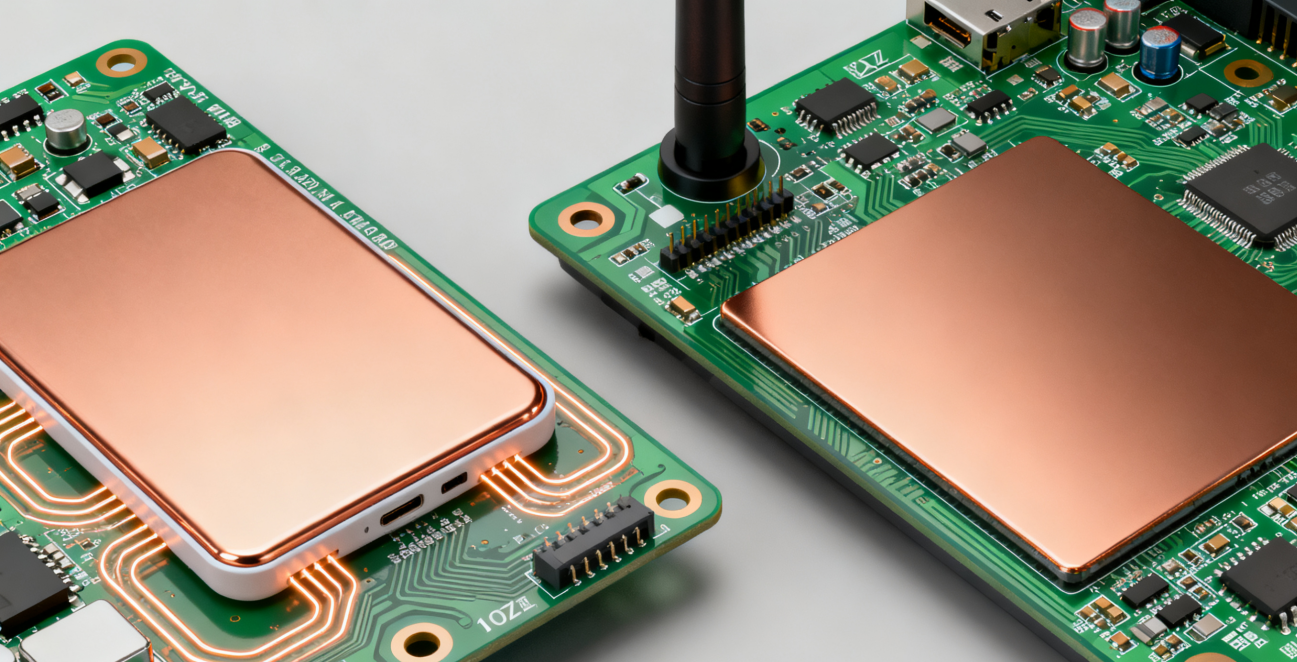
Copper foil in PCBs is like "wires" as it carries current—ignoring its thickness can lead high-power devices to overheat or even burn the foil, and the overall PCB thickness won’t fix this issue. For low-power devices such as power banks, 1oz (about 35μm) copper foil is sufficient, while high-power devices like routers or industrial controllers require 2oz+ copper foil to avoid current shortages and safety risks. A helpful tip: the higher the device’s power, the thicker the copper foil needs to be, and the PCB’s own thickness doesn’t matter in this case.
That’s it for the first two key factors—base material and copper foil thickness. These two lay the groundwork for a reliable PCB, but there are still two more important points to cover: how to choose the right number of layers, and why surface finish can’t be overlooked. We’ll dive into those in Part 2, so stay tuned to keep learning how to pick the perfect PCB!