Views: 0 Author: Site Editor Publish Time: 2025-11-12 Origin: Site


Most manufacturers swear by a myth: going green for PCBs means blowing your budget. But a game-changing tech called “buried resistor-capacitor (BRC)” crushes that idea—delivering sustainability and savings, no compromises.
How BRC Works (It’s Simpler Than You Think)
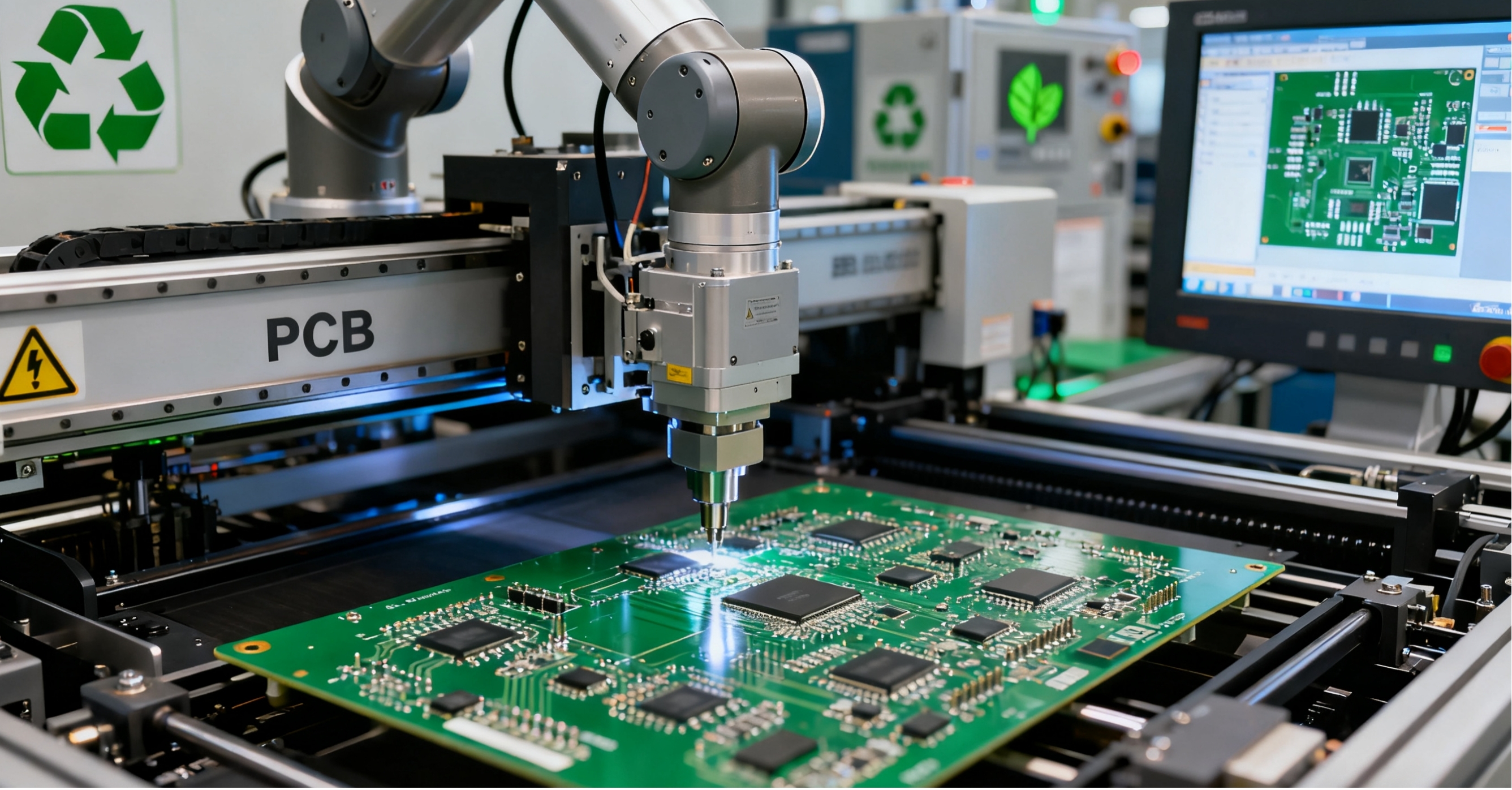
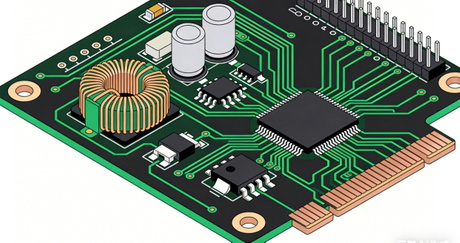
Think about traditional PCBs: they need separate resistors and capacitors, soldered one by one onto the surface. That means ordering parts from multiple suppliers (hello, carbon-heavy shipping!), spending extra time on welding (wastes energy, spits out toxic fumes), and dealing with more rework when solder joints fail.
BRC flips the script: it embeds resistor and capacitor functions directly into the PCB’s inner layers. It’s like building shelves into a closet instead of buying standalone ones—no extra parts, no messy assembly.
The Dual Win: Greener + Cheaper
The Dual Win: Greener + Cheaper The environmental benefits for PCBs are clear: 40% less material waste (no leftover separate components) and a 60% drop in carbon emissions (thanks to less welding and shipping for PCB assembly). And here’s the surprise—it cuts PCB production costs, too. A European smartwatch brand switched to BRC for their PCBs and saw 18% lower production expenses. No more paying for pricey separate resistors/capacitors for PCBs, and fewer botched solder jobs mean less rework on finished boards. It’s a straightforward way for PCB manufacturing to meet strict carbon rules, like those in the EU, without breaking the bank.
Sustainability and savings don’t have to be enemies. BRC proves that going green with PCBs can be both eco-friendly and budget-smart.