Views: 0 Author: Site Editor Publish Time: 2026-03-02 Origin: Site


staggering 95% of the global high-end PCB market. These are the critical circuits powering iPhones, Tesla autopilot, and even satellites. This dominance hinges on three core technologies reshaping global advanced electronics.
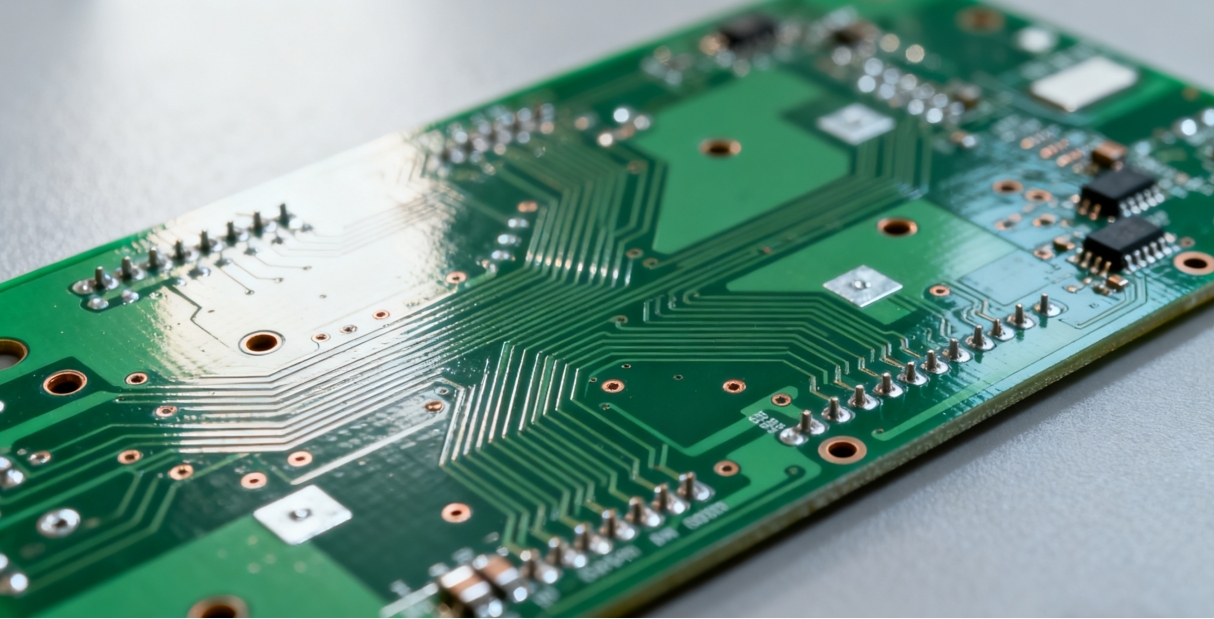
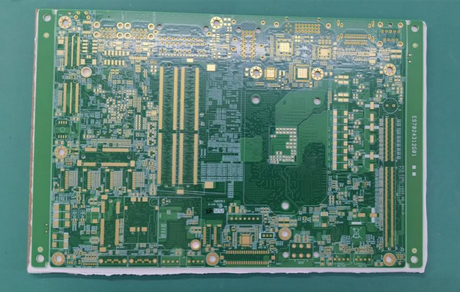
First, clarify “high-end PCB”: unlike basic versions with wide copper lines for remotes, these require nanometer-level precision—hair-thin lines, pinhead-sized holes, and resistance to extreme conditions like 5G speeds or EV engine heat. China’s grip on this segment stems from three integrated key technologies.
First is HDI (High-Density Interconnect), with China controlling 90% of high-end production—it shrinks copper lines to 0.05mm (vs. 0.15mm for traditional PCBs) for thinner, more powerful devices, with Shennan Circuit setting a 0.03mm line-width global benchmark.
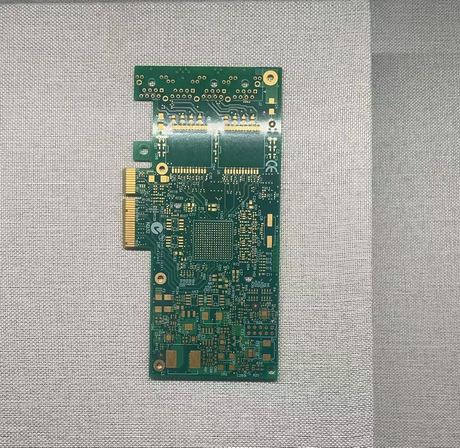
Second, IC carrier boards (chip-PCB bridges): China holds 85% of high-end capacity, with 12-layer designs handling 10Gbps speeds (twice Japanese rivals) for 5G/AI.
Third, BRC (Buried Resistor-Capacitor) embeds components, cutting waste by 40% and emissions by 60%—a European brand saw 18% lower costs, debunking “eco=expensive” myths.
This isn’t about cheap labor—it’s end-to-end supply chain control: 60% of global high-purity copper, 70% of high-end PCB printers, plus heavy R&D and policy support. For foreign brands, this means stable supply (scalable in weeks), fast customization, and 15-20% lower costs than other high-end suppliers.
China’s high-end PCB lead isn’t luck—it’s a tech-driven ecosystem now rewriting global electronics rules.