Views: 0 Author: Site Editor Publish Time: 2025-10-25 Origin: Site


Remember the PCB base material and copper foil thickness we talked about in Part 1? These two factors lay the groundwork for a PCB’s “durability” and “power stability.” Today, we’re diving into the other two crucial points—layer count selection and surface finish—which directly impact a PCB’s “practicality” and “compatibility.” Master these, and you’ll pick the right PCB for your needs.
3. Layer Count: It’s About “How Much Stuff You Need to Fit”—More Layers Aren’t Always Better
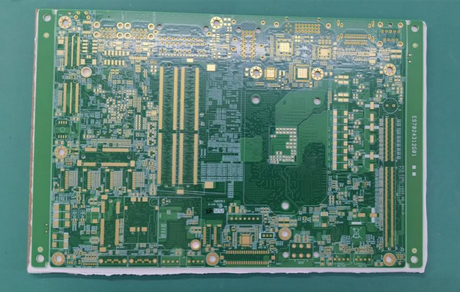
Sellers may say "multi-layer boards are better," but the number of layers depends on your device’s needs—more layers don’t equal better quality; they only mean higher cost and larger size. Simple devices like remote controls or LED lights only need single-layer boards, which are cheap and practical, while complex devices such as phones, laptops, and smartwatches require 4-layer, 6-layer, or more layers of boards that "stack" circuits to save space. A useful tip: Ask yourself two questions—does my device have many parts? And does it need complex wiring?—and don’t pay extra for unnecessary layers.
4. Surface Finish: For “Soldering” and “Anti-Rust,” Don’t Overlook It
Surface finish is like a PCB’s "protective coat"—ignore it, and you’ll face weak soldering or rust after short use; common options include HASL (Hot Air Solder Leveling) and ENIG (Electroless Nickel Immersion Gold). HASL is cheap and works well for basic soldering, such as in DIY circuits, while ENIG resists rust better and ensures stable soldering, making it great for precision parts like phone motherboards. A simple tip: choose HASL for simple projects and pick ENIG for precise devices.
Final Tip
Don’t focus only on PCB thickness. Check these 4 points first: base material matches your use case, copper foil fits device power, layer count suits device functions, and surface finish meets soldering needs. Get these right, and you’ll have a cost-effective, long-lasting PCB.