Views: 0 Author: Site Editor Publish Time: 2026-01-21 Origin: Site
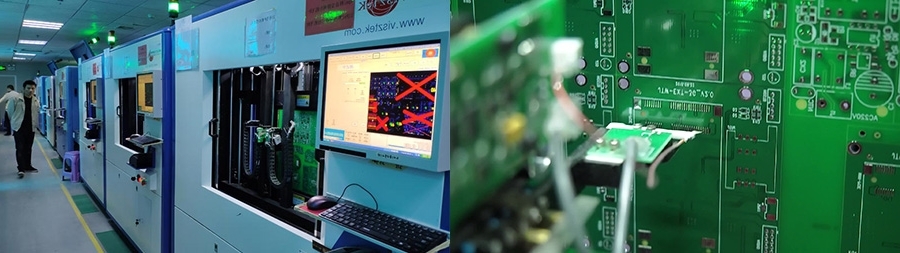
When PCBs are manufactured, electrical flaws like short circuits, open circuits, and leakage can happen due to outside factors, so thorough testing is essential before they leave the factory. The two most common methods are flying probe testing and test fixture testing—here’s a breakdown to help you choose.
Flying probe testing uses 4–8 movable probes to run insulation and continuity checks directly on the board, no custom fixture required. It’s fast to set up, cuts down on upfront costs, and works great for small-batch PCB orders.
Test fixture testing relies on a custom-built jig wired with probes that match the board’s test points. While the fixture itself costs more upfront, it delivers much faster testing speeds, making it ideal for large production runs—and reorders won’t incur extra fixture fees.
In short, flying probe testing is your go-to for low-volume, quick-turn projects, while test fixture testing shines for high-volume production where speed and long-term cost efficiency matter most.
Not sure which method fits your next PCB order? Let’s chat through your project specs and find the best approach for you.