Views: 0 Author: Site Editor Publish Time: 2025-10-28 Origin: Site


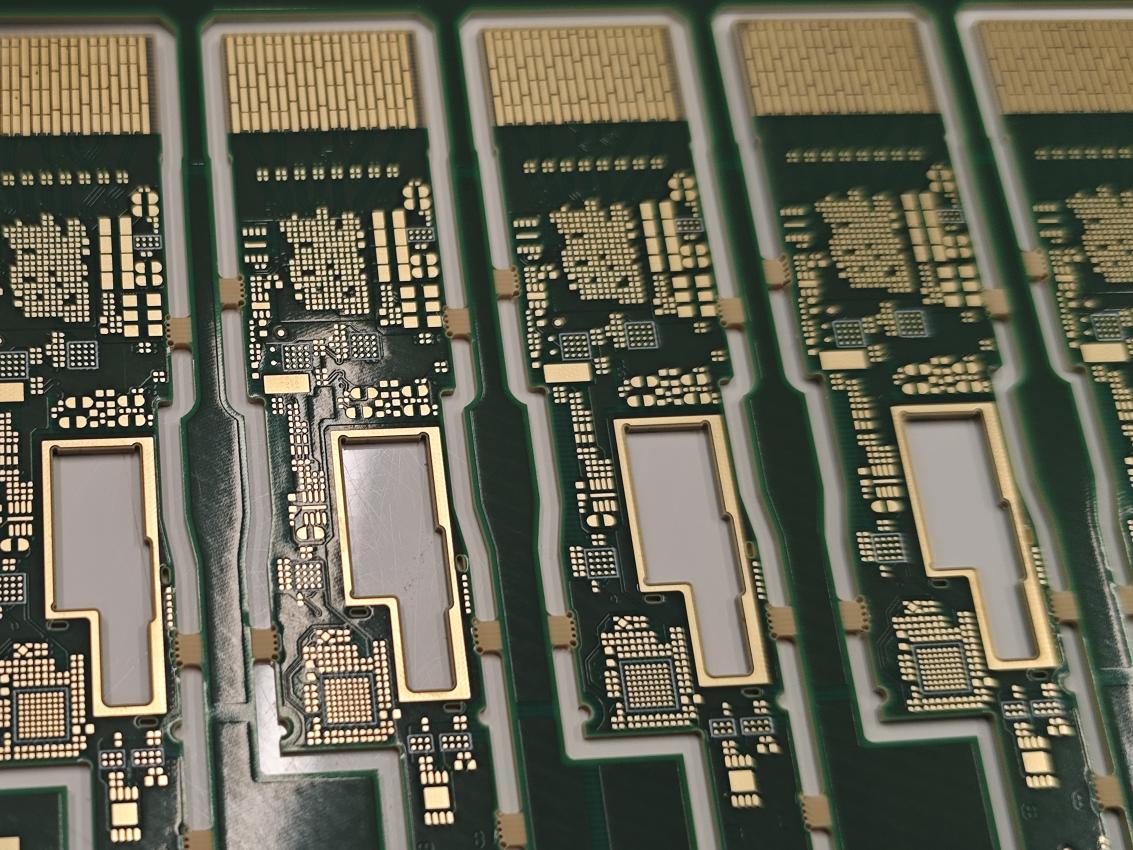
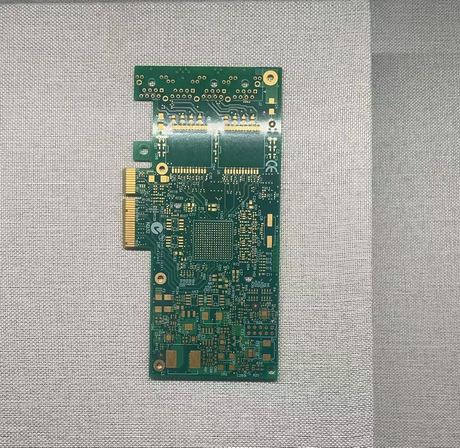
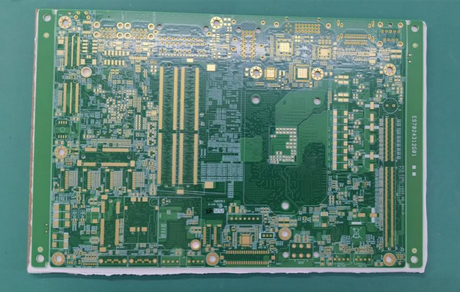
Lots of people act like high-speed PCBs are some kind of “black magic”—but the real thing that makes or breaks them is signal integrity, or SI for short. It’s just a fancy way of saying: does a signal get from the transmitter to the receiver “in one piece”?
Low-speed signals can handle a little distortion—they’re slow enough that the receiver still figures out what’s what. But high-speed ones? The kind that move data super fast? Even a tiny flaw messes them up. Think of it like a race car crashing over a small pebble, versus someone walking who can just step around it. Speed changes everything.
3 Big SI Problems: Why They Happen & How to Fix Them (With a Highway Comparison)
Just think of signals as cars on a highway—every issue has a straight-up fix, no luck required:
Reflection: Signals “bounce back” (like a car hitting a random road barrier) when the trace’s impedance changes. That could be if the trace suddenly gets wider or narrower, or if there’s a via. To fix it, add a resistor at the receiver end that matches the trace’s impedance—it’s like a “buffer zone” so the signal doesn’t bounce.
Crosstalk: Signals “rub off” on nearby traces (sort of like highways that are way too close together). This happens when traces are spaced too tight, or run parallel for too long. The fix? Either space the traces at least 3 times the width of one trace apart, or slip a ground trace between them—it works like a “divider” to block interference.
Loss: Signals “run out of steam” (just like cars on a potholed road) if you use crummy materials (like regular FR-4) or if the traces are too long or thin. Fix this by using materials that don’t sap signal strength (high-speed FR-4 or PTFE works) and making the copper traces short and thick.
Here’s the Bottom Line
High-speed PCBs don’t need magic—they just need you to follow three simple rules: match the impedance, space the traces right, and pick low-signal-loss materials. Get those three things down, and SI problems disappear.