Views: 0 Author: Site Editor Publish Time: 2025-11-19 Origin: Site


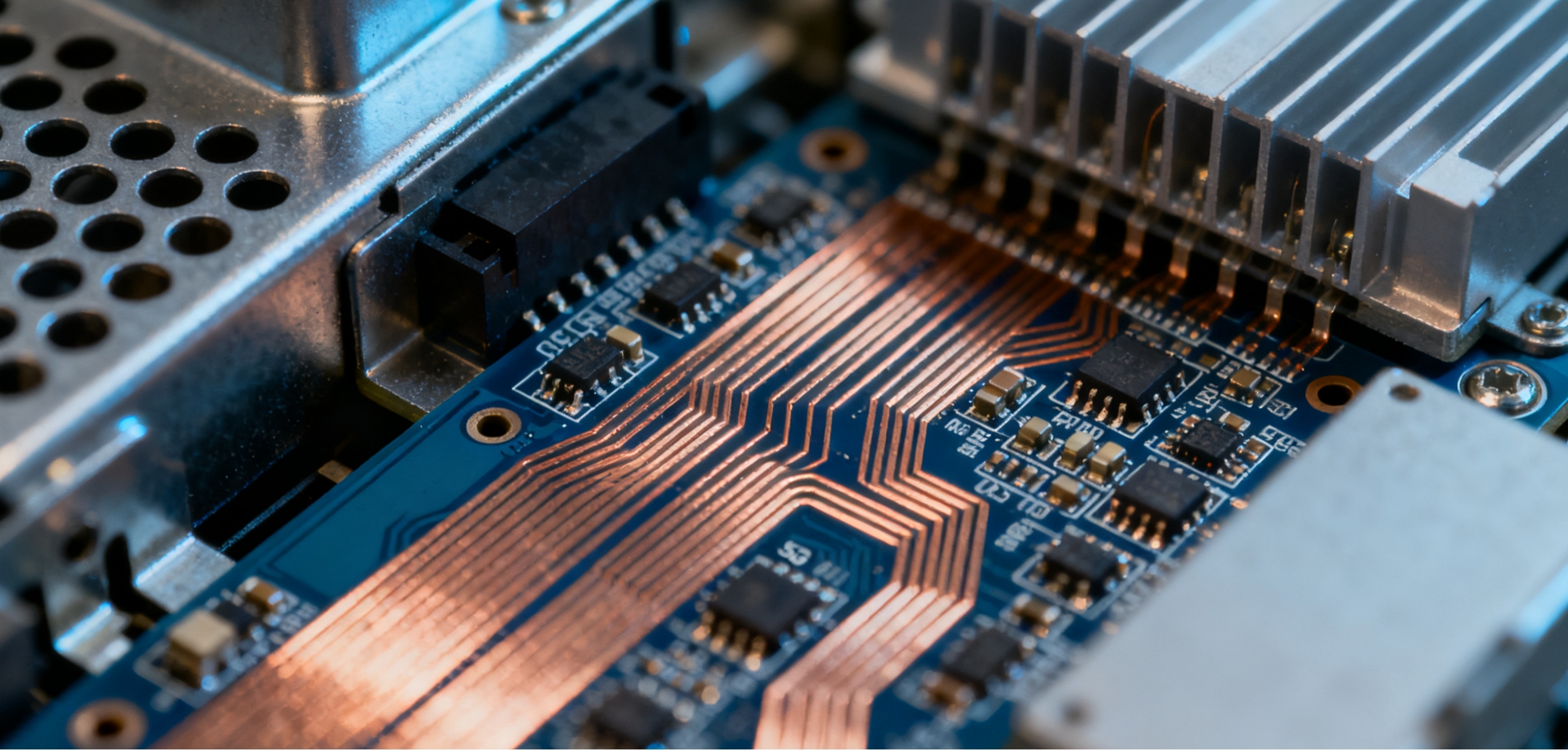
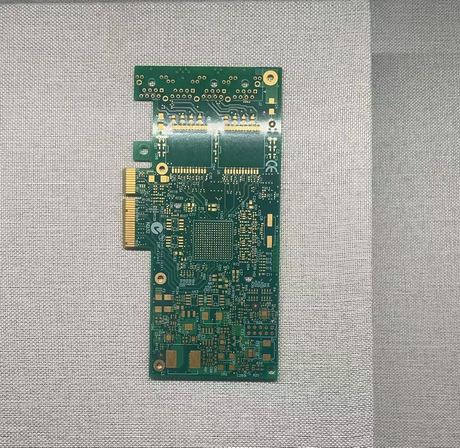
Your seamless 5G experience—buffering-free videos, lagless calls—relies on 5G base stations. A little-known “millimeter-scale duel” happens inside: a palm-sized HDI board (core high-end PCB) solves 5G’s transmission challenge with 0.1mm-wide copper lines, thinner than a human hair. What’s its secret?
Why 5G Needs Thin PCB Lines?
A 5G base station is a high-speed data hub, transmitting 10x faster than 4G. Its PCBs (core nerves) need high density and speed. 4G PCBs had 0.2mm+ lines (like country roads), limiting circuits. 5G has 3x more chips—wide lines would make PCBs desk-sized. HDI’s 0.1mm lines are the solution.
3 Strengths of 0.1mm Lines
0.1mm matches the finest hair. In 5G PCBs, it excels with three key strengths:
1. More Circuits: Thinner lines double circuit density. Same-sized HDI PCBs fit dense 5G components, shrinking base stations to 1/3 of 4G’s size.
2. Less Interference: 5G’s high-frequency signals “cross-talk” on wide lines. 0.1mm lines maintain precise spacing, boosting signal accuracy to 99.9% for lagless calls.
3. Heat Resistance: Dense 5G components hit 60℃+. HDI’s 0.1mm lines use nickel-gold plating (PCB tech), ensuring 5+ years of stable operation even on hot rooftops.
Golden Size: Not Too Thin, Not Too Thick
0.1mm is engineers’ “golden size”: 0.05mm lines break (yield drops to 80%, doubling costs); thicker lines fail 5G’s density needs.
Today, 7 in 10 global 5G base stations use such HDI PCBs. Next time you pass a 5G box, remember: hair-thin PCB lines power your smooth 5G life.