Views: 0 Author: Site Editor Publish Time: 2025-11-04 Origin: Site


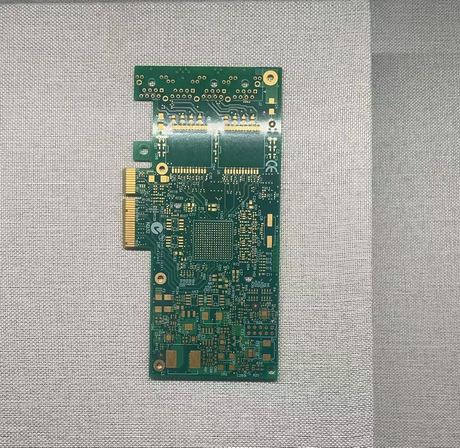
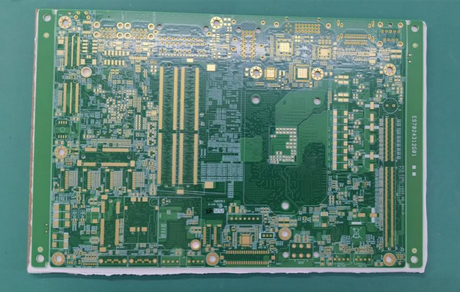
Take apart any electronic device, and you’ll likely see a green-coated PCB. Most people think that green’s just for style—but it’s actually the PCB’s protective layer, and picking green boils down to practicality, not looks.
It’s Not Decoration—It’s the PCB’s “Safety Shield”
The green layer (called a solder mask) does three make-or-break jobs:
Stops short circuits: Covers tiny copper lines, so dust or moisture won’t make them touch and burn out the board.
Prevents rust: Seals copper from air, so it doesn’t corrode and ruin the PCB’s conductivity.
Eases soldering: Only exposes “pads” (where parts attach), so you don’t accidentally solder lines together.
Why Green? Cheaper, Easier, More Reliable
Green became the standard for three simple reasons—no fancy logic here:
Cheaper: Green pigment (like phthalocyanine green) is easy to get and affordable. Other colors cost more or fade fast when heated.
Easier to check flaws: Green contrasts sharply with yellow copper, so workers spot mistakes (missing pads, scratches) at a glance. Other colors blur those flaws.
Fits mass production: Early PCB machines handled green ink best—no extra tweaks needed, so factories kept costs low and speed high.
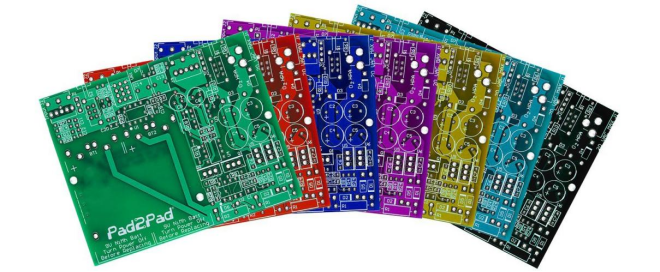
Other Colors Exist—But They Cost More
Red/blue PCBs? Mostly for military/medical gear (color-coding for easy fixes) but cost 20% extra. Black ones? Sleek for gaming gear, but need expensive checks and have more defects. Transparent? Only for test boards—fades fast, useless for regular use.
The Takeaway: Green Is Practical, Not Pretty
Next time you see a green PCB, know it’s not about looks. It’s the smart choice—protects the board, keeps costs down, and works for almost every device. Practicality always wins here.