Views: 0 Author: Site Editor Publish Time: 2025-11-06 Origin: Site


Lots of folks I’ve talked to swear “the pricier the PCB, the more reliable it is”—but that’s such a common myth! I once saw someone drop $200 on a PCB for a simple home project, and it conked out after just 3 months. The truth is: PCB reliability has nothing to do with price tags. It all boils down to 3 key standards, and you can verify them in 2 minutes flat.
First, look at the substrate’s Tg value (think of it as the PCB’s “heat resistance level”). A good industrial PCB needs a Tg of at least 170°C—if it’s lower, the board will warp when heated, like a plastic ruler left in the sun. Cheap PCBs often use low-Tg materials (under 130°C) to cut costs, but pricey ones might hike up prices for fancy colors instead of boosting Tg.
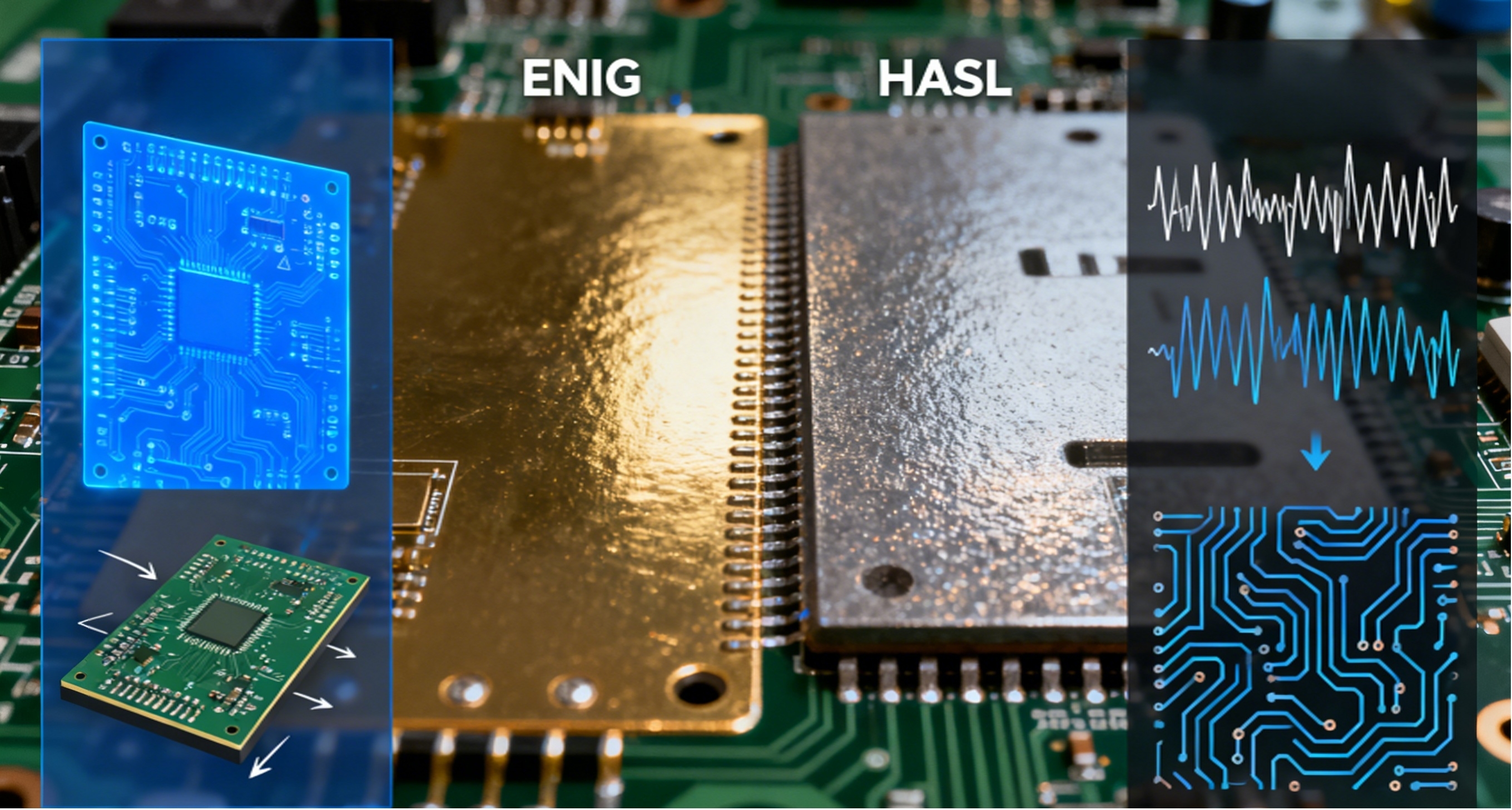
Second, check the surface finish. Gold-plated PCBs (what people usually call ENIG) are expensive, but they’re only needed for devices that get plugged and unplugged a lot—like phone chargers. If you’re making a PCB for a router that stays put, tin-plated ones (HASL) work perfectly fine—and they cost half the price. Wasting money on gold here is like buying a diamond-studded water cup just to drink tap water.
Third, make sure the impedance control is accurate. For high-frequency devices (like 5G routers), the impedance needs to be within ±5% of the designed value. Sometimes a “cheap” PCB with precise impedance (say, 50Ω ±3%) works way better than those expensive “fancy ones” with all over the place impedance—bad impedance makes signals drop, just like a leaky water pipe.
Next time you buy a PCB, skip the price tag. Ask for these three specs instead—you’ll get a reliable board without overspending!