Views: 0 Author: Site Editor Publish Time: 2025-12-15 Origin: Site


Let's break down what PCB surface treatment actually is—because it’s far from just a 'final touch' in PCB manufacturing. At its core, this process coats the board’s exposed copper layers: it stops oxidation (which kills connectivity), boosts solderability (so components stick reliably), and adds durability for real-world use.
There are tons of methods out there; let’s hit the most common picks:
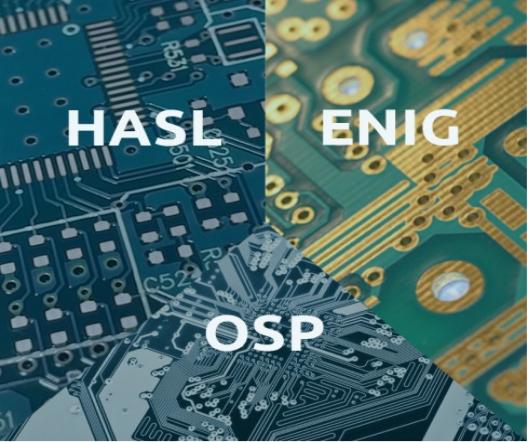
·HASL (Hot Air Solder Leveling): The budget workhorse. Cheap and easy to mass-produce, it’s great for basic consumer electronics (like simple kids’ toys). But its uneven surface rules it out for fine-pitch components (think tiny phone chips).
·OSP (Organic Solderability Preservatives): Even more affordable, perfect for high-volume runs (like remote control PCBs). The catch? It’s short-lived—boards need soldering fast, or the coating breaks down.
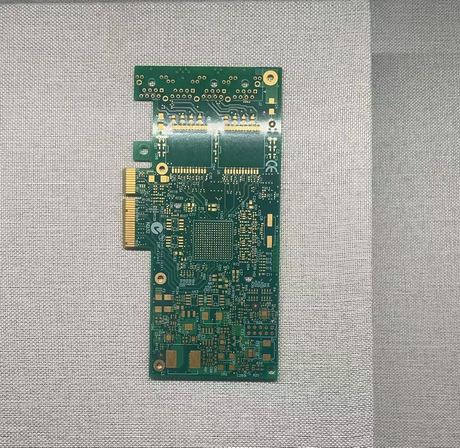
·ENIG (Electroless Nickel/Immersion Gold): The high-precision star. Its smooth surface fits smartphones, medical devices, or any fine-pitch gear. It’s durable too—but pricier than HASL/OSP.
·ENEPIG (Electroless Nickel Palladium Gold): Tougher than ENIG, ideal for harsh environments (industrial sensors). But it’s the most expensive option here.
Choosing the right one comes down to budget, component size, and how your PCB will be used. Need help picking a surface treatment for your project? Click the top button to chat with our team.