Views: 0 Author: Site Editor Publish Time: 2025-11-29 Origin: Site


Grab your smartphone, laptop, or even your coffee maker—every daily gadget hides an unsung hero: the PCB (Printed Circuit Board). With alternatives like flexible circuits and ceramic substrates available, why do PCBs own 90% of the electronics market? The answer lies in their unbeatable mix of reliability, versatility, and cost-effectiveness.
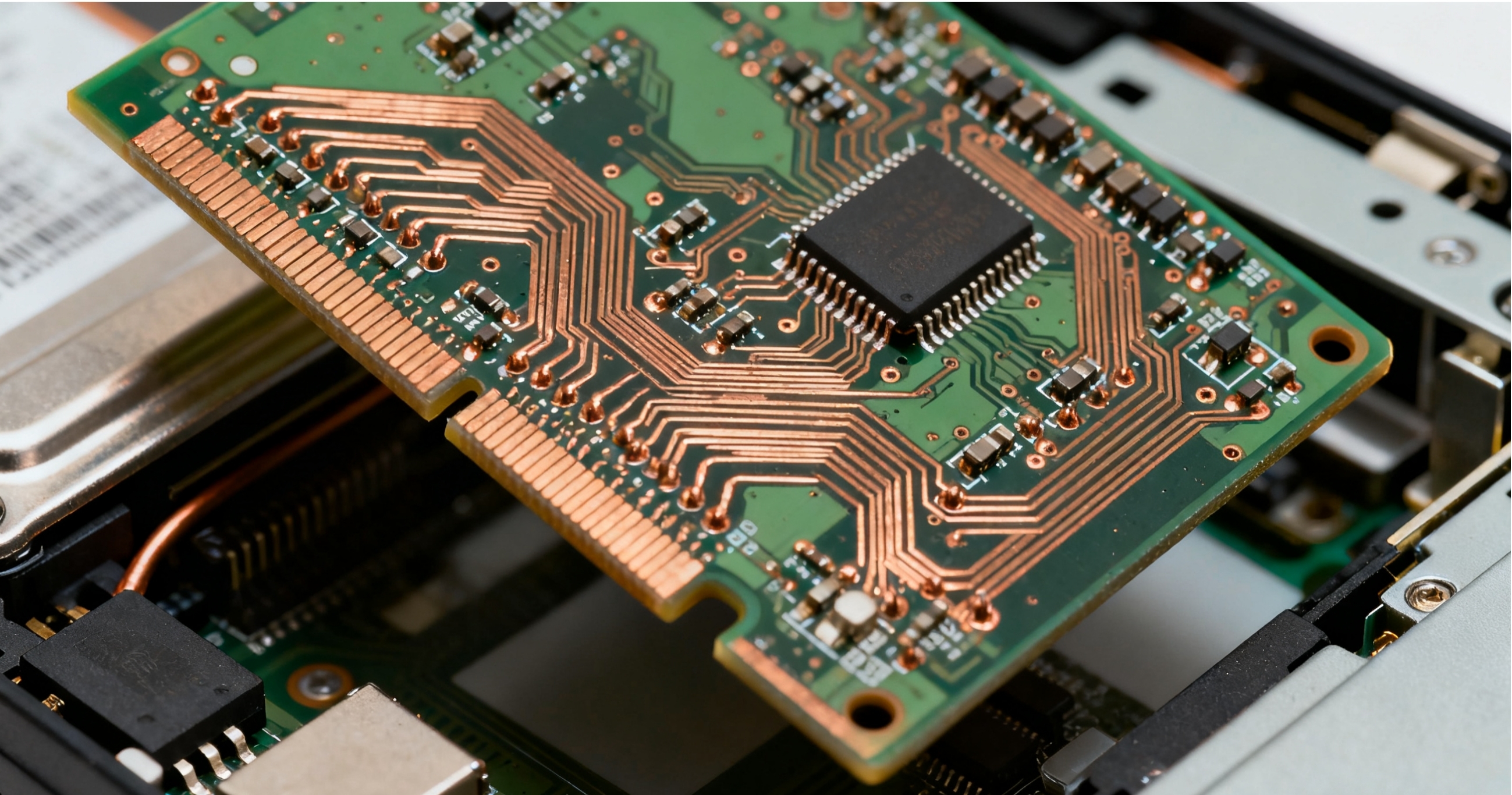
First, rock-solid reliability makes PCBs a game-changer. Early electronics relied on messy hand-wired circuits—prone to loose connections and short circuits. PCBs changed that: copper traces etched onto an insulating base, with components soldered firmly in place. It’s like a "private highway" for signals—neat, interference-free, and tough enough for daily use. Ceramic substrates? Brittle as glass. Flexible circuits? Great for bending but can’t handle high-temperature soldering or heavy components.
Then there’s unmatched versatility. PCBs act as a universal platform for chips, resistors, and capacitors of all sizes. Need a thin board for a smartphone? Opt for a high-density multi-layer PCB. A simple toy? A single-layer PCB works. Unlike metal substrates (limited to high-power parts) or paper-based boards (humidity-sensitive), PCBs adapt to everything from wearables to industrial machines.
Finally, affordability + mass production seals the deal. Using low-cost materials like FR4, PCBs have mature manufacturing processes—factories churn them out with micron-level precision, keeping costs low. A standard double-layer PCB costs just a few dollars, while a ceramic equivalent is tens of times pricier. For brands making millions of devices, PCBs hit the perfect sweet spot of performance and cost.
Niche cases (aerospace, high-end wearables) use alternatives, but most electronics need reliability, versatility, and value—something PCBs master. Next time you use your tech, remember: this humble board is the backbone of the digital age.